
- About fischer
- group of companies
- Sustainability
- Newsroom
- Spotlights
- Career

- Home
- Spotlights
- Training of the Future

The training of the future presents companies with new challenges: digitalization, internationalization, and the transformation of the working world are changing the requirements for young professionals. At the same time, young people today have different expectations of their training, their employer, and the recruiting process.
How can companies succeed in attracting young talent for training and specifically preparing them for the working world of tomorrow? How can the needs of the company and the next generation be equally taken into account?
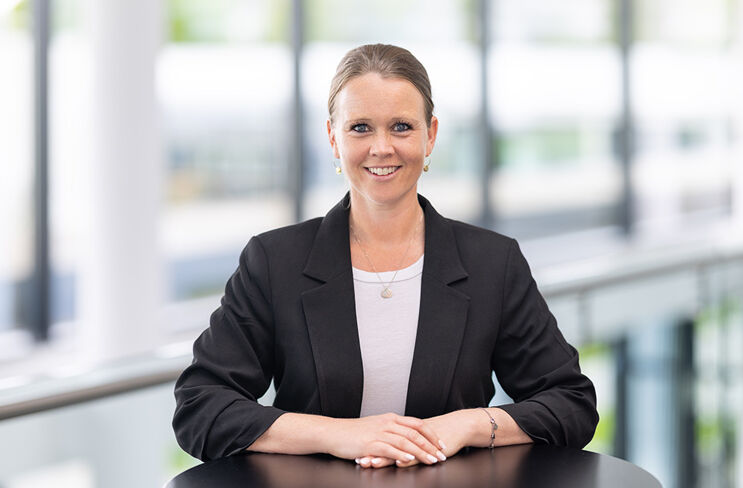
In the interview, fischer training manager Maren Klein explains how training at fischer is evolving, which skills will be in demand in the future, and what is particularly important in recruiting young professionals today.
The application phase for training and dual study places starting in 2027 has begun. Which professions and courses of study and how many training places would you like to fill at the fischer Group in 2027?
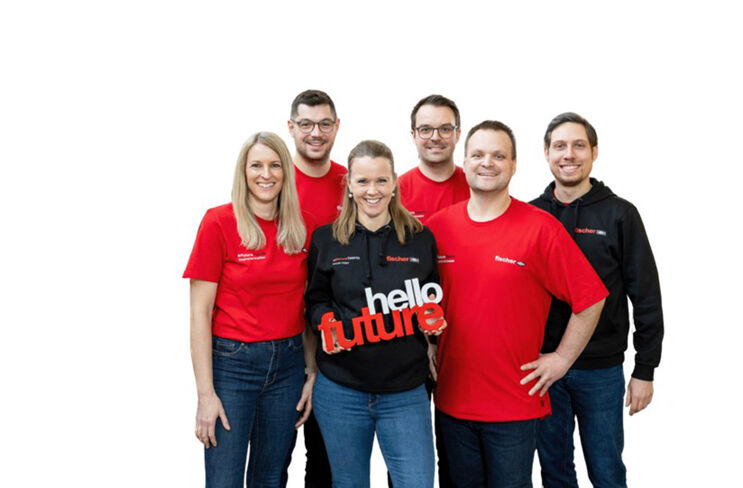
Maren Klein: We have already been able to fill many places but are happy to receive all further applications. Young people who are looking for a practical and at the same time future-proof start to their professional career will find diverse opportunities with us. Our portfolio includes both technical and commercial professions as well as dual study programs at the Baden-Württemberg Cooperative State University. Since the specific professions, courses of study and the number of available places are regularly adjusted to our current needs, we keep all information up to date on our career page. There, interested parties receive a complete overview and can apply specifically for the position that matches their strengths and interests.
Which professions will be particularly relevant for companies like fischer in the future?
For a company like fischer, every single profession we offer is fundamentally of great importance – they all contribute to our success in their own way. In recent years, however, we have consciously and strategically further developed and streamlined our training portfolio. Today, we are in a very good position that allows us to focus even more strongly. This concentration on future-oriented fields of expertise enables us to align our training content specifically with the actual requirements of our company and to offer our junior staff particularly solid and practice-relevant qualifications.
In which areas do you find it challenging to find good young talent and why? How do you address this as a training manager?
Attracting qualified young talent has generally become more demanding today. One of the biggest challenges is the ongoing trend towards university studies: many school graduates initially aim for an academic path and often underestimate the enormous advantages that vocational training offers. I see it as my central task to address this precisely and raise awareness. Vocational training – especially at fischer – is versatile, practical, and opens up excellent career prospects. What makes our training particularly special is the opportunity to get actively involved from the start, take on responsibility early, and participate in many different projects – such as leading our social media team or organizing our recently held Future Day.
At the start in September 2025, you reduced the number of job profiles from 22 (September 2024) to 15 job profiles. By the start of September 2026, the number will be 16 job profiles. Why and how are you responding to the requirements that companies like fischer must meet in order to attract applicants?
The reduction in the offered job profiles since 2025 is the result of a deliberate strategic decision – we clearly focus on quality rather than quantity. By concentrating on a targeted selection of job profiles, we can support each #FutureTalent more intensively and individually. At the same time, this focus allows us to make the training content even more practical and thus adapt it to the needs of fischer. In doing so, we respond directly to the increased expectations of young applicants who are looking for a solid, individually supported, and future-proof training. On the other hand, we also respond to the ever-increasing demands of our company. Those who choose training at fischer benefit from this deliberate focus to a special degree.

What is important to young people today? What has changed in recent years regarding the requirements for training and the professional environment?
The expectations of young people regarding their training and professional environment have noticeably changed in recent years. It is no longer just about the job itself or the salary. Young talents seek meaningfulness in their work, desire flexibility, and want to contribute. Particularly important to them is an environment where they are perceived and valued as individuals and where they can develop personally. Therefore, modern training must be more than just the transfer of knowledge – it should be an environment that combines professional competence with personal development. Topics such as appreciative interaction, transparent communication, and genuine opportunities for participation have also gained significant importance.
What must employers offer in the future to attract the best talent?
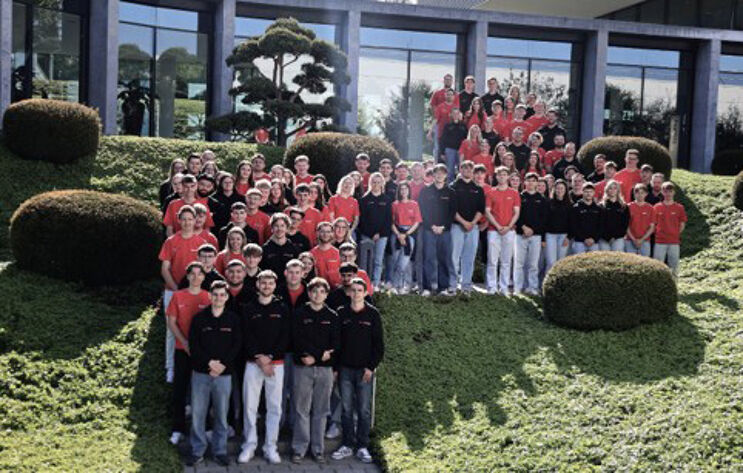
To attract the best talents, employers must above all be authentic. Young people quickly recognize whether promises are truly lived. What matters are genuine and transparent development prospects that show young talents where their path within the company can lead. In addition, a lived culture of error and learning, where experimenting is explicitly allowed, is gaining importance. A work environment that promotes innovation and where young professionals feel like a full-fledged part of the team from the very beginning is a clear competitive advantage today. For this reason, we have created the training format TalentLab. Ultimately, employers convince when they offer young people not just a job, but a true professional home.
And how have recruiting and recruiting channels changed in recent years?
Recruiting has fundamentally changed in recent years. There is no longer just one channel; you have to be present everywhere. Social media has become an indispensable channel – there we reach our young target group directly in their everyday lives and can provide authentic insights into the working day at fischer. Another effective recruiting channel is personal recommendation. A large part of our successful applications comes from the recommendations of our #FutureTalents. When they share their positive experiences within their environment, a credibility is created that no traditional advertising can replace. This combination of modern digital communication and authentic word-of-mouth recommendation is the key to our success.
What you should know about training at fischer
The DNA of training at fischer is based on three pillars: #individual #digital #international.
fischer #FutureTalents design their deployment plans and the departments they go through individually. Digital platforms such as the training app and the learning platform simpleclub effectively support learning. In addition, all #FutureTalents – whether in training or in the dual study program – have the opportunity to complete a stay abroad in one of the fischer national companies. fischer is present worldwide with 51 operational companies.
Training page:,
fischer Training page | Training at fischer