- About fischer
- group of companies
- Sustainability
- Newsroom
- Spotlights
- Career

- Home
- Spotlights
- How to make small spaces feel larger

Living space is becoming scarcer, while rents continue to rise. Especially in cities, every square meter counts. Efficiently furnishing small rooms means, above all, one thing: making intelligent use of space. Even larger apartments often offer untapped potential for more space and a better quality of living.
The key principle is to use walls rather than occupy valuable floor space. This effect is often noticeable when moving: once furniture and decorations are removed, a room suddenly appears much larger. Rooms feel more open, circulation paths clearer, and the floor area more spacious. This sense of openness can also be achieved in everyday life – without giving up familiar furnishings. What matters is a well-thought-out layout and the targeted use of existing space.
In urban areas, living space is becoming increasingly scarce while rents continue to rise. According to a study by the ifo Institute (2025), asking rents for new leases in Germany’s seven largest cities have increased by around 75 percent since 2013. This makes efficient use of every available square meter more important than ever.
A key principle of space optimization is simple: anything that can be mounted on a wall should not take up valuable floor space. Wall-mounted shelves, cabinets, and TV mounts provide additional storage without consuming valuable floor space. At the same time, the floor remains visible all the way to the corners, making rooms appear larger and more organized. This effect can be especially valuable in small apartments.
In the past, large and bulky wall units dominated many living rooms. Today, slim wall shelves and flat-screen TVs help create a modern and spacious atmosphere. They provide additional storage without sacrificing floor space, helping residents make more efficient use of their homes.
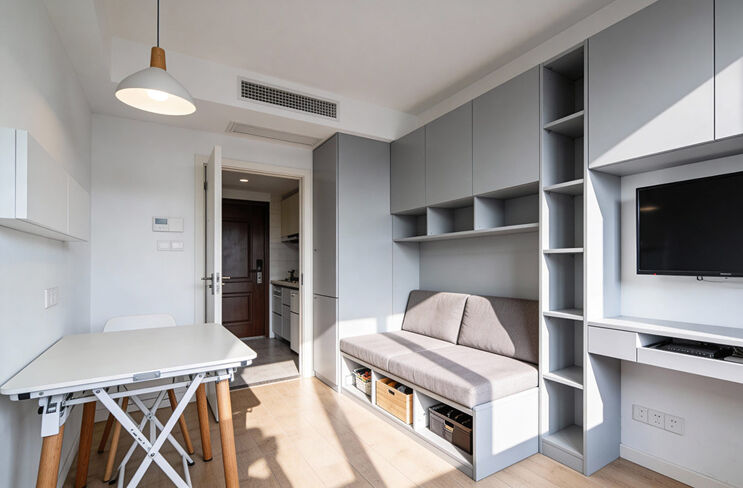
The choice of fastening solution depends on the wall material, particularly when installing heavier wall-mounted furniture such as cabinets, shelving units, or bookcases. It is also important to consider the higher pull-out forces that may occur:
If you are unsure which anchor is best suited to your application, seek professional advice or use digital tools such as the fastening advisor in the fischer DIY App.
A practical feature of the fischer DIY App is its fischer DIY App is its AI-powered building material recognition. Based on tapping sounds, it identifies the likely substrate and recommends a suitable fastening solution for concrete, aerated concrete, brick, or drywall. To confirm the wall material with certainty, a test drill hole is recommended.
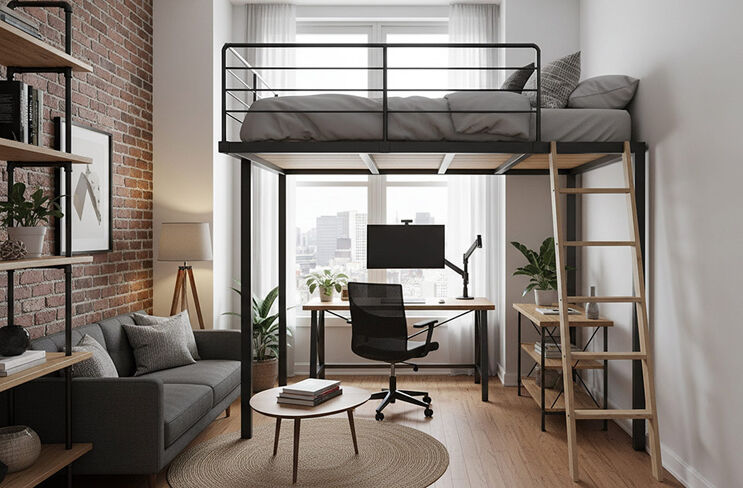
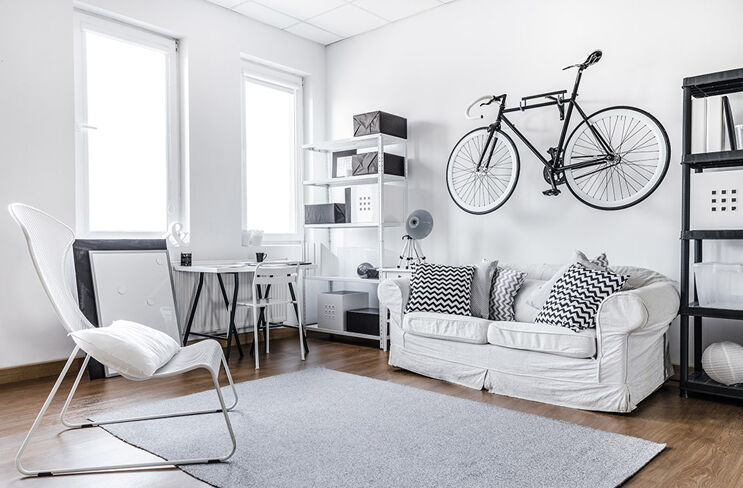
More living space is not achieved by adding square meters alone, but by making intelligent use of existing space. Those who plan their rooms thoughtfully, consistently make use of wall space, and choose appropriate fastening solutions can make even small apartments feel significantly more spacious and functional.