- About fischer
- group of companies
- Sustainability
- Newsroom
- Spotlights
- Career

- Home
- Spotlights
- Secure fastening in lightweight partition walls

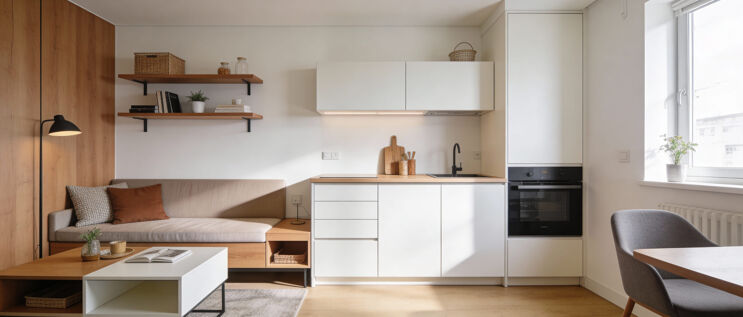
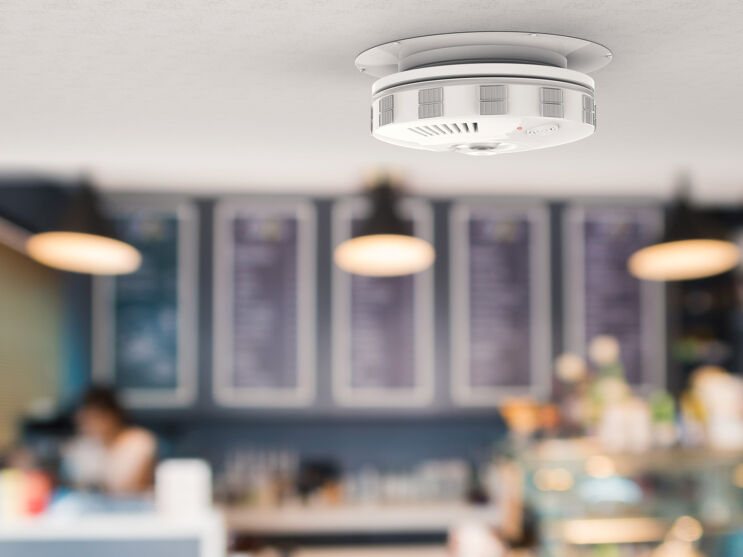
Gypsum plasterboard is popular and at the same time demanding. Those who want to fasten things to it need the right know-how. The building material is ubiquitous, whether in interior construction, acoustic construction, or for cladding technical installations. No wonder: gypsum plasterboard convinces with short construction times, flexibility in room design, and good building physics properties. But what goes quickly during installation often presents challenges for DIY enthusiasts later: how can smoke detectors, electrical installations, and furnishings be securely fastened to the thin boards?
Unlike solid masonry, the thin gypsum plasterboards do not offer continuous load-bearing capacity. The porous structure of the gypsum core and the low material thickness, usually 12.5 to 15 millimeters, require special fastening solutions.
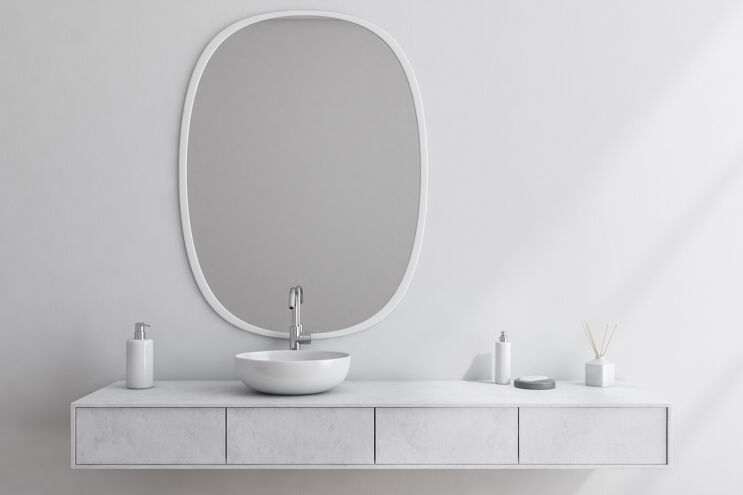
When fastening in drywall, several factors must be considered. First, the load: How heavy is the object to be mounted? A bathroom mirror weighs between five and 20 kilograms depending on its size. Additional forces also come into play, for example when the bathroom door slams and vibrations are transmitted to the mirror.
The condition of the panels also plays a role. Is the wall single or double boarded? How large is the cavity behind it? Is there insulation? Is a vapor barrier installed? These questions determine which anchor is used and what load capacities are achievable. Suitable solutions are available for every load – from featherlight to heavyweight.
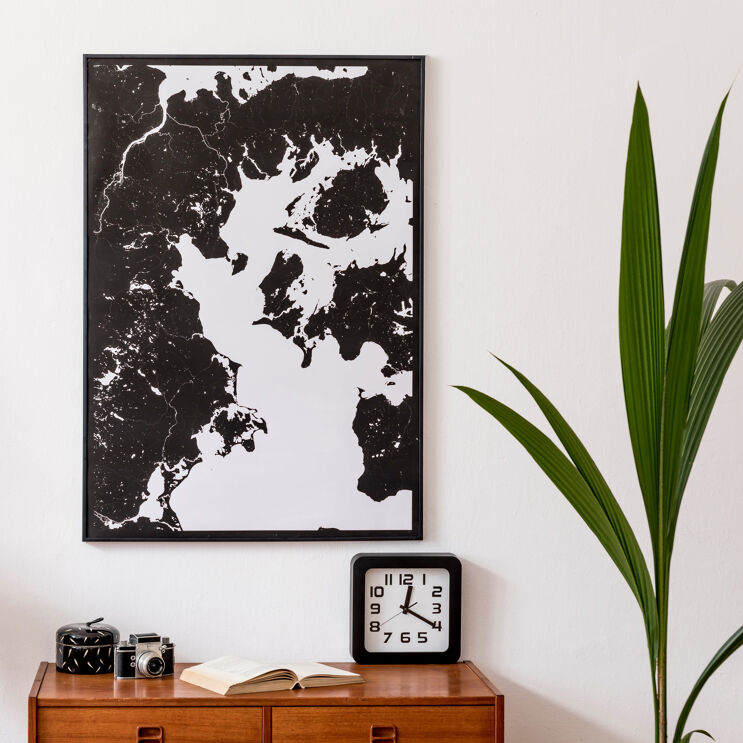
The right twist makes all the difference. For light loads up to about eight kilograms, such as picture frames, smoke detectors, or small mirrors, self-tapping drywall anchors that can be easily screwed into the board are suitable.
The good news: There are solutions for heavier loads as well, such as larger mirrors, wall shelves, or kitchen wall cabinets up to about 40 kilograms – for this, the use of toggle anchors is recommended.
Before fastening, DIY enthusiasts should check whether there are electrical or water pipes behind the planned drilling spot. A pipe detector provides safety here. In the roof area and on exterior walls, there is usually a vapor barrier foil that must not be damaged. Special caution is required here. It is also advisable to slightly center punch the drilling spot so that the drill does not slip.
When choosing the anchor, the load specification of the manufacturer must be observed. High-quality anchors already include a safety factor. Nevertheless, the rule is: for safety-relevant applications or very heavy loads, a professional should be consulted.
Double-layered drywall panels generally offer higher load capacities than single-layered ones. If the cavity behind the panel can be used, toggle anchors like the DuoTec achieve significantly better holding values than pure expansion or screw anchors. A rail that can be anchored with several anchors and thus distributes the load to different fastening points is also recommended. It is important to ensure that the anchors are set with sufficient spacing from each other and that the permissible maximum load of the drywall panels is not exceeded.