- About fischer
- group of companies
- Sustainability
- Newsroom
- Spotlights
- Career

- Home
- Spotlights
- Install a balcony power plant – Do it yourself!

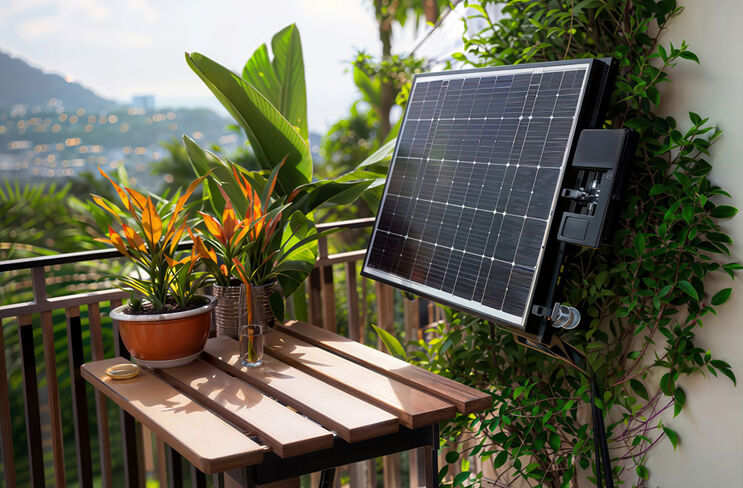
The mini PV system for the balcony has been ordered, the box opened. And now? The big question is: "How do I securely fasten the balcony power plant so that it doesn’t take off at the first gust of wind?" Don’t worry, with these tips you will safely navigate the installation jungle step by step.
It is no longer just large-scale PV systems that shape the roofs and facades of single-family homes. Smaller, compact systems with typically one to two PV modules – so-called balcony power plants – are also gaining increasing importance, especially in multi-family houses and city centers. According to the Federal Association of the Solar Industry, more than 1.2 million plug-in solar devices, the official term, are in operation in Germany.
For tenants and condominium owners, balcony power plants offer a simple and low-threshold way to cover part of their electricity needs with solar power themselves. The investment usually pays off within a few years – and noticeably reduces the electricity bill. Simplified legal regulations in recent years have further facilitated access to this energy source. And the installation is completed faster than many think. A few steps lead to solar success.
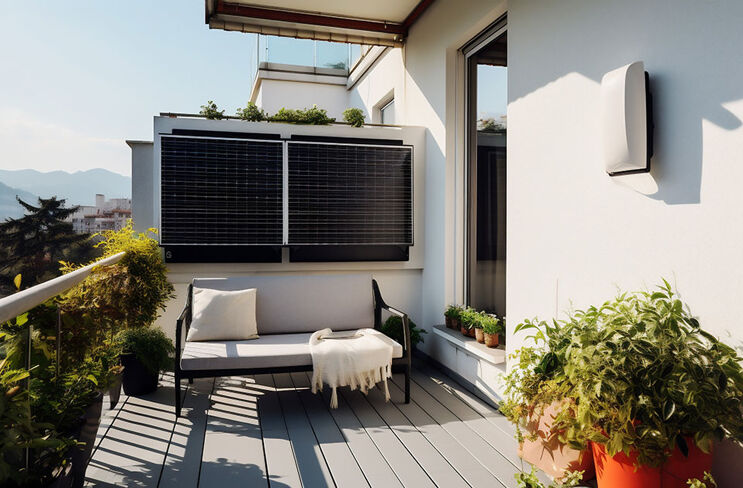
Before DIY enthusiasts reach for tools and anchors, they should check: Where should the balcony power plant be installed? Because the mounting location determines the fastening and product selection.
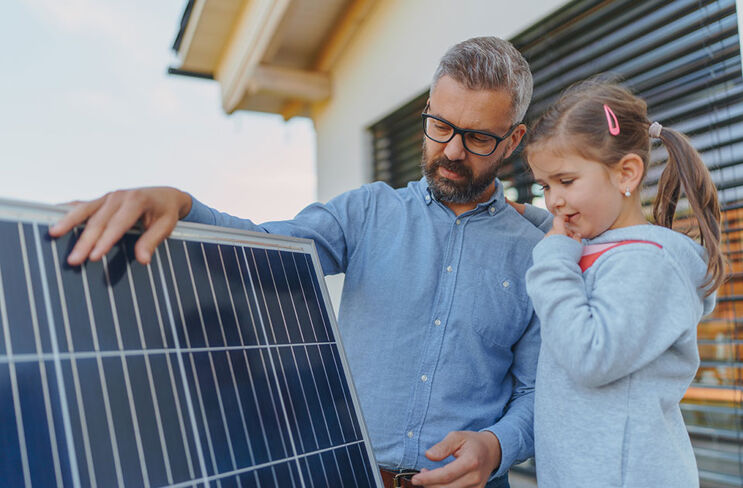
Safety comes first! Wind, weather, and even curious pigeons put the PV module under stress.
The wrong anchor bolt can quickly turn a balcony power plant into a floating art object – and nobody wants that.
For outdoor use, screws and the steel components of chemical systems (e.g. anchor rods) should be made of stainless steel.
It’s worth taking a look at the installation manual of the balcony power plant – manufacturers often provide tested fastening recommendations. Additionally, it makes sense to pay attention to the technical data sheets of the anchor bolt manufacturers. If in doubt, fischer’s technical service can help. Better a bit more planning than a PV module in a nosedive.

Not only the fastening counts, the electrical connection must also be done correctly. Incorrectly connected balcony power plants can bypass safety mechanisms – with consequences ranging from backfeed voltages to fire and electric shock hazards. Therefore, a standard-compliant installation is crucial: Only properly connected solar power remains safe.
Tenants and owners must register the system. Registration in the Market Master Data Register (MaStR) of the Federal Network Agency is mandatory. Usually, no additional registration with the grid operator is required, but it is sometimes still requested – this can usually be checked on the website.
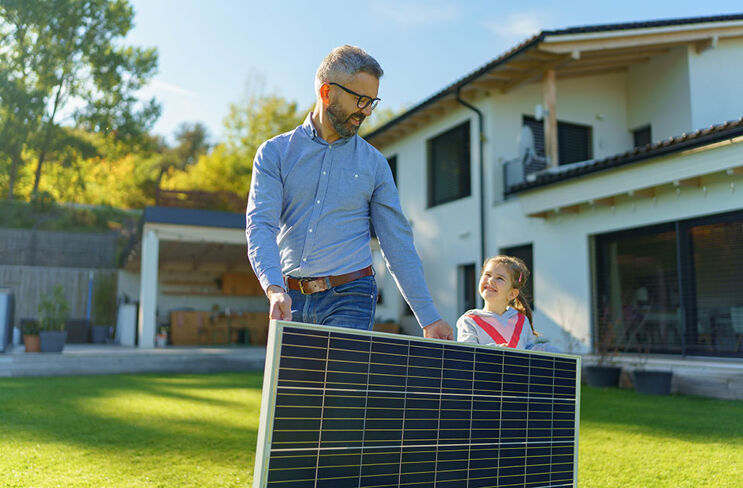
When everything is in place, the anchors hold – tada! The balcony power plant is ready to go. Now it’s time to enjoy, watch how the sun generates electricity – and occasionally proudly admire your own DIY achievement.