
Why the Future of Construction is Digitally Calculated

Simulation instead of elaborate tests: How digital material mechanics sets new standards in product development and drives innovation in fastening systems. 

Numerical Materials Mechanics: What Is It?

Numerical materials mechanics uses mathematical and computer-based models to predict the behavior of materials and structural components under load. The goal is to determine the durability of structures and fastening systems such as anchors or concrete screws and to understand their limits in order to improve products and technologies.
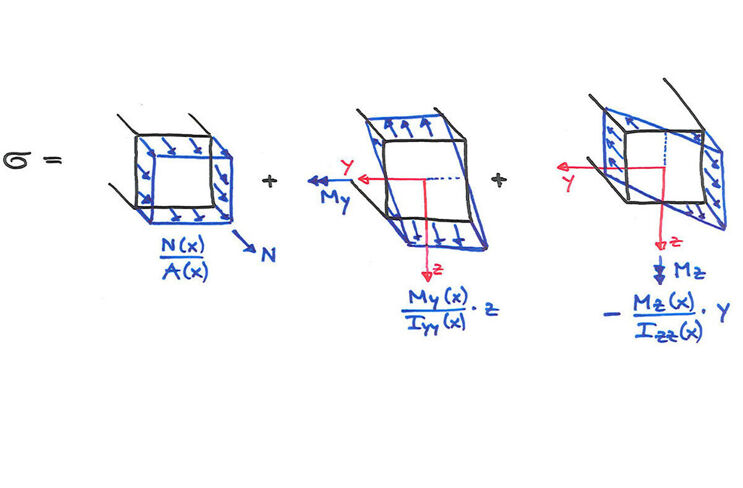
Advantages Compared to Traditional Material Testing

Unlike time- and cost-intensive laboratory tests, numerical materials mechanics enables a more efficient and cost-effective analysis of a wide range of loading scenarios and materials (concrete, wood, adhesives, rock). Although the models are idealizations of reality, they aim for a "as accurate as necessary" precision to gain qualitative insights and ensure safety. It is crucial to know the limits of the models and, when in doubt, to err on the conservative side.

The interview! Listen now!

Prof. Matthias Neuner

In the new podcast episode "fischer Highlights," Prof. Matthias Neuner, an expert in numerical materials mechanics, talks about the role of modern research in fastening technology. He explains how computer-based models help predict the behavior of materials under stress and thus develop sustainable, safe products. Listen now and learn more about the future of fastening technology!

Application in Product Development and Sustainability

The computer models support the product development process at fischer to create better, more affordable, and more sustainable products. This takes place in an intensive, cooperative process between university and company.

A concrete example of the contribution to sustainability is the renovation of buildings. Precise models can extend the lifespan of existing infrastructures such as bridges and ensure their safety instead of demolishing them. This saves resources and costs.
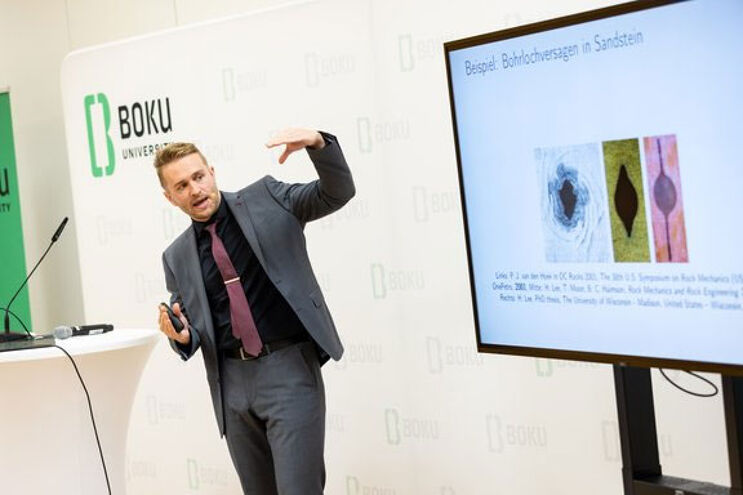
Since July 2024, Prof. Neuner has held the "Klaus Fischer Endowed Professorship" for five years in "Structural Bonding in Construction – Numerical Materials Mechanics" at the University of Natural Resources and Life Sciences (BOKU) in Vienna, advancing this future-oriented topic. Image: BOKU

Who is Prof. Matthias Neuner?

Position:
Professor at the University of Natural Resources and Life Sciences in Vienna.
Research Focus:
Numerical material mechanics in the context of fastening technology and structural bonding.
Areas of responsibility:
Researches and develops mathematical as well as computer-based models to predict the behavior of materials and structural components under load. This serves to improve products and technologies, especially in the field of fastening systems.
Activity at fischer:
Member of the scientific advisory board of fischer.

Challenges and Future Outlook

The biggest challenges in transferring scientific findings into practice lie in communication and the acceptance of new methods. It is essential to clearly demonstrate the advantages and replace established but inadequate methods.

Professor Neuner emphasizes that numerical materials mechanics is already a standard in many engineering disciplines and is indispensable in construction, especially in fastening systems. fischer therefore places great importance on this area to continue generating benefits for industry and business.
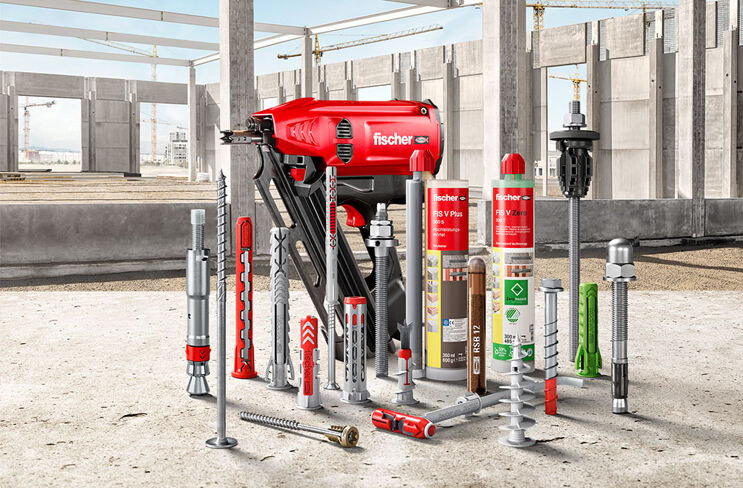
From the first nylon expansion plug to today: The fastening expert fischer stands for innovations in plugs, steel anchors, screws, systems, and tools. Image: fischer
cd-blue-866758497b-hsz6g