- About fischer
- group of companies
- Sustainability
- Newsroom
- Spotlights
- Career

- Home
- Spotlights
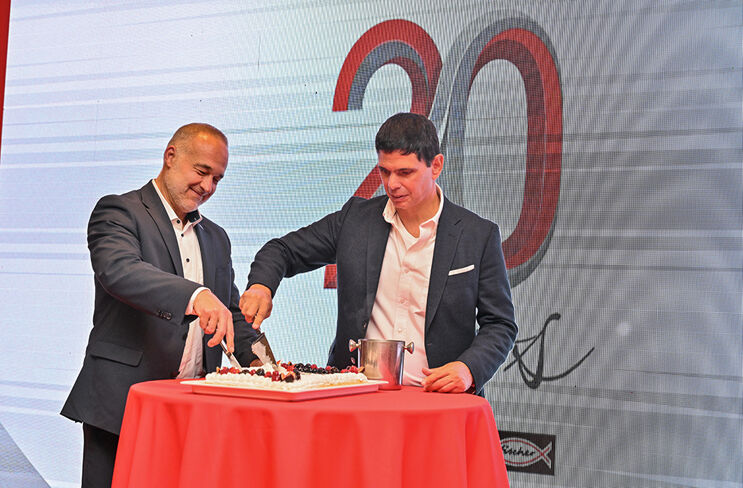
- fischer has been distributing fastening technology in Mexico for 20 years

Since when has fischer been active in Mexico and how has the local company developed since then?
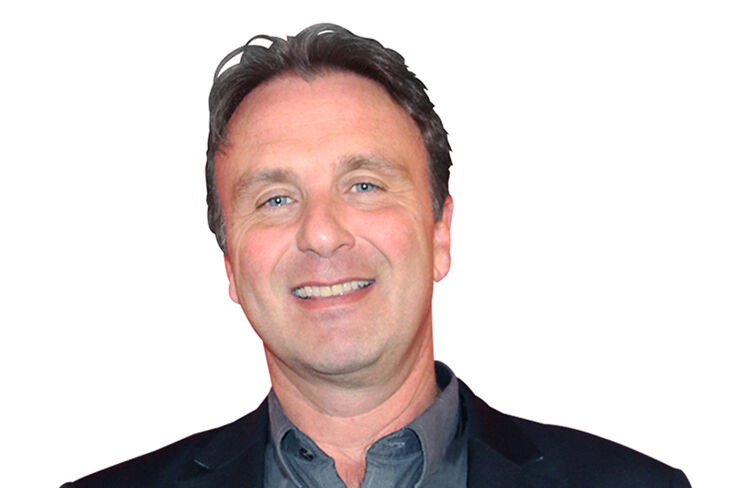
Jochen Hornberger: In 2000, fischer began market entry in Mexico, initially in cooperation with a local partner. At that time, mainly construction chemicals and chemical anchoring systems were distributed through specialist retailers, as no steel anchor range in the standard market inch sizes was yet available. The Mexican local company was officially founded in 2006.
How has the local company developed since then?
Until 2012, the focus was primarily on direct sales. In 2013, a strategic realignment followed. In addition to the existing direct sales, we began systematically building up the specialist retail trade to create a broader and more sustainable market base. In the following years, we significantly expanded the product range while simultaneously investing in the expansion of sales, customer service, and technical support. By opening up new regions, additional sales channels, and establishing long-term partnerships with specialist retailers, we were able to continuously strengthen market presence. Over the past ten years, sales have tripled.
What is the significance of the Mexican market for the corporate group?
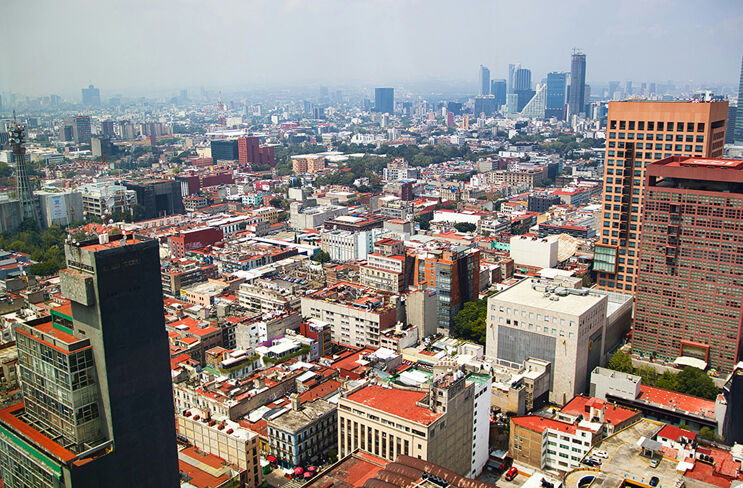
Mexico is an interesting and strategically important market for the fischer corporate group for several reasons. As one of the largest economies in Latin America, the country has a significant domestic market, a comparatively young population, and a strong industrial base. In addition, its strategic location between North and South America and an extensive network of free trade agreements add to its appeal. Additional opportunities arise from the increasing relocation of industrial production to Mexico, especially in the context of the nearshoring trend. This is associated with investments in new production facilities, logistics centers, and industrial infrastructure, which also increase the demand for high-quality fastening solutions. Mexico has the potential to further expand its economic significance in the coming years.
What distinguishes the Mexican market from other markets?
A key characteristic is the strong influence of the USA. In the fastening sector, therefore, inch dimensions play an important role. To meet local requirements, we must continuously expand the range in inch dimensions. Furthermore, the awareness of high-quality fastening technology in Mexico is not yet equally developed across all market segments. For example, some dealers still offer classic wooden dowels. At the same time, the market in certain product areas is characterized by low-cost solutions with a comparatively low quality level. Since there is no nationwide, generally mandatory approval system for fastening products, technical approvals and quality standards are not established. Another particularity is the receivables management. Due to lengthy legal procedures, enforcing outstanding claims can be significantly more complex than in many other markets.
In which industries is fischer particularly strong in Mexico?
Our activities focus on various application areas. We are particularly strong in building construction, facade construction, the energy sector, and industry. Looking at the sales channels, our largest share of sales currently comes from specialist trade, followed by direct sales and export business. This combination enables us to reach different customer groups and offer both standardized products and technically sophisticated project solutions.
Which products or solutions are particularly in demand in Mexico?
The demand is broad and varies depending on the region, sales channel, and application. Among the particularly successful product groups are chemical fastening systems, especially the epoxy resin mortar FIS EM Plus. In addition, we are very well positioned in the market with our construction chemical products as well as our fire protection systems.
What trends are you currently observing in the Mexican construction and fastening market?
The interest in high-quality fastening solutions with corresponding technical approvals has increased in recent years. This is partly due to discussions about building safety and experiences from major earthquakes. In particular, planners and architects are increasingly paying attention to the technical performance and verifiability of the safety of fastening systems. We expect this trend to continue. In addition, the standards of the American Concrete Institute (ACI) as well as technical approvals from the International Code Council (ICC) are gaining importance. ICC approvals are increasingly in demand, especially for private construction projects.
What requirements do Mexican customers have that differ from customers in Europe?
A difficult question, I think the requirements largely coincide. We mainly see differences in the need for information and training. Many dealers and users in Mexico are not yet very familiar with technically demanding products, for example chemical fastening systems. That is why we invest specifically in training, technical consulting, and support directly with the customer or on the construction site.
Are there products or solutions that are surprisingly successful in Mexico?
I would not necessarily describe individual products as surprisingly successful. What is more interesting is how the business has developed through the combination of different product groups. In addition to our classic fastening solutions, especially construction chemicals and chemical fastening systems have contributed to further expanding our business. This shows that with a broad and application-oriented portfolio, we can cover different customer needs and unlock additional market potential.